Quick Links
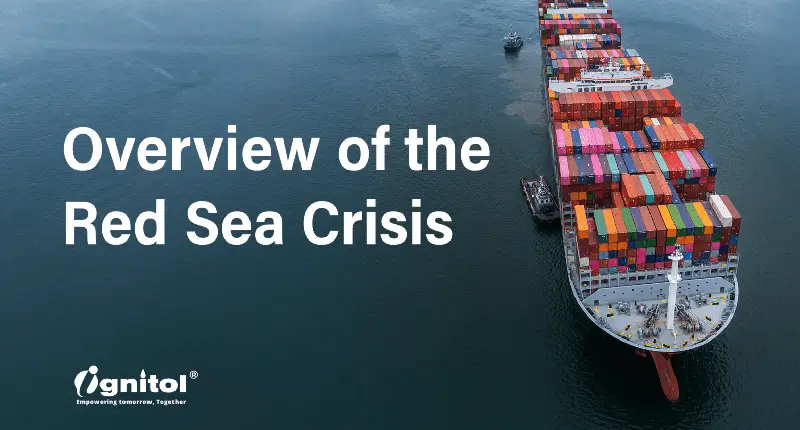
Overview of the Red Sea Crisis
The Red Sea is one of the world’s important maritime trade routes, connecting major markets through the Suez Canal. Disruptions in this region can have a significant impact on global shipping, supply chains, freight costs, and delivery schedules.
The ongoing security situation and attacks on commercial vessels have caused major disruptions to normal shipping operations, leading many international shipping companies to reroute vessels away from the Red Sea.
Key Developments
The Red Sea crisis has resulted in several significant changes to international shipping:
Major Global Trade Route – Approximately 17,000 ships pass through the Suez Canal each year, representing a significant share of global maritime trade.
Disruption to Shipping Operations – Attacks and security concerns have disrupted normal shipping operations and created uncertainty across international supply chains.
Rerouting of Vessels – Several major shipping companies have reduced or suspended transit through the Red Sea and are rerouting vessels through alternative routes.
Longer Shipping Routes – Many vessels are taking the longer route around the Cape of Good Hope in South Africa, significantly increasing sailing distances and transit times.
Supply Chain Pressure – Longer routes, vessel availability, and increased operational costs have created additional pressure on international supply chains.
Key Economic and Consumer Impacts
The diversion of vessels to longer routes has created several challenges for global trade and businesses.
Major Impacts Include:
Container Shortages – Longer vessel rotations can reduce the availability of containers in certain markets.
Longer Booking Periods – Limited vessel capacity can make it more difficult to secure shipping space.
Extended Shipping Times – Rerouting around Africa adds significant distance and sailing time.
Increased Freight Expenses – Longer voyages and additional operational costs can result in higher freight rates.
Higher Energy and Fuel Costs – Extended sailing distances can increase fuel consumption and operating expenses.
Supply Chain Disruptions – Delays and increased transportation costs can affect the availability and pricing of imported and exported goods.
Inflationary Pressure – Higher transportation and logistics costs can contribute to increased costs across a wide range of goods.
Impact on Freight Charges
The Red Sea crisis has resulted in significant changes in sea freight rates across several routes involving Jebel Ali Port.
Shipments arriving at Jebel Ali have experienced substantial increases in freight costs, contributing to higher overall logistics expenses for manufacturers, distributors, and businesses across the region.
Import Freight Rates to Jebel Ali
Based on the reported changes:
Europe to Jebel Ali: +250%
Mediterranean to Jebel Ali: +300%
Turkey to Jebel Ali: Shipments N/A
USA to Jebel Ali: +200%
These increases can have a direct impact on the landed cost of imported raw materials, components, finished products, and other goods.
Impact on Exports from Jebel Ali
The disruption has also affected export shipping rates from Jebel Ali Port, with some destinations experiencing substantial increases.
Reported increases include:
Jebel Ali to Europe: +400%
Jebel Ali to the Mediterranean: +650%
Jebel Ali to East Africa: +150%
Jebel Ali to West Africa: +100%
Jebel Ali to USA: +300%
Freight rates can vary depending on the shipping line, destination, container type, booking period, fuel costs, capacity, and prevailing market conditions.
Impact on Transit Times
In addition to increased freight costs, shipments may experience longer transit times due to vessel rerouting and congestion.
Shipments can experience an average 7–10 day extension in transit times, while businesses may also face challenges in securing vessel space and confirmed bookings.
These extended lead times can affect:
Production planning
Inventory management
Customer delivery schedules
Raw material availability
Import and export planning
Overall supply chain efficiency
Managing Supply Chain Challenges
Businesses operating in international markets need to closely monitor shipping conditions and plan for potential delays and fluctuations in freight costs.
Effective supply chain management may include:
Maintaining regular communication with shipping partners
Monitoring vessel schedules and route changes
Planning shipments further in advance
Reviewing inventory requirements
Evaluating alternative shipping routes
Coordinating closely with suppliers and customers
Allowing additional time for international shipments
Our Commitment to Reliable Supply
The situation in the Red Sea continues to evolve, and shipping conditions can change rapidly. We are proactively managing these challenges through continuous communication with our suppliers, freight forwarders, and shipping partners.
Our team closely monitors potential delays, booking availability, transit times, and freight-cost developments to help minimize disruptions to our supply and delivery schedules.
While the current situation may result in longer transit times, increased freight costs, and extended lead times, we remain committed to maintaining a reliable supply chain and providing the best possible service to our clients.
To Conclude
The Red Sea crisis has created significant challenges for global shipping and international supply chains. Longer shipping routes, increased freight costs, container availability, and extended transit times continue to affect businesses across multiple industries.
By maintaining close coordination with suppliers and shipping partners and proactively planning shipments, businesses can better manage these challenges and reduce the potential impact on their operations.
We remain committed to supporting our clients with reliable supply, transparent communication, and proactive supply chain management during these challenging conditions.
Thank you for taking the time to read our article.